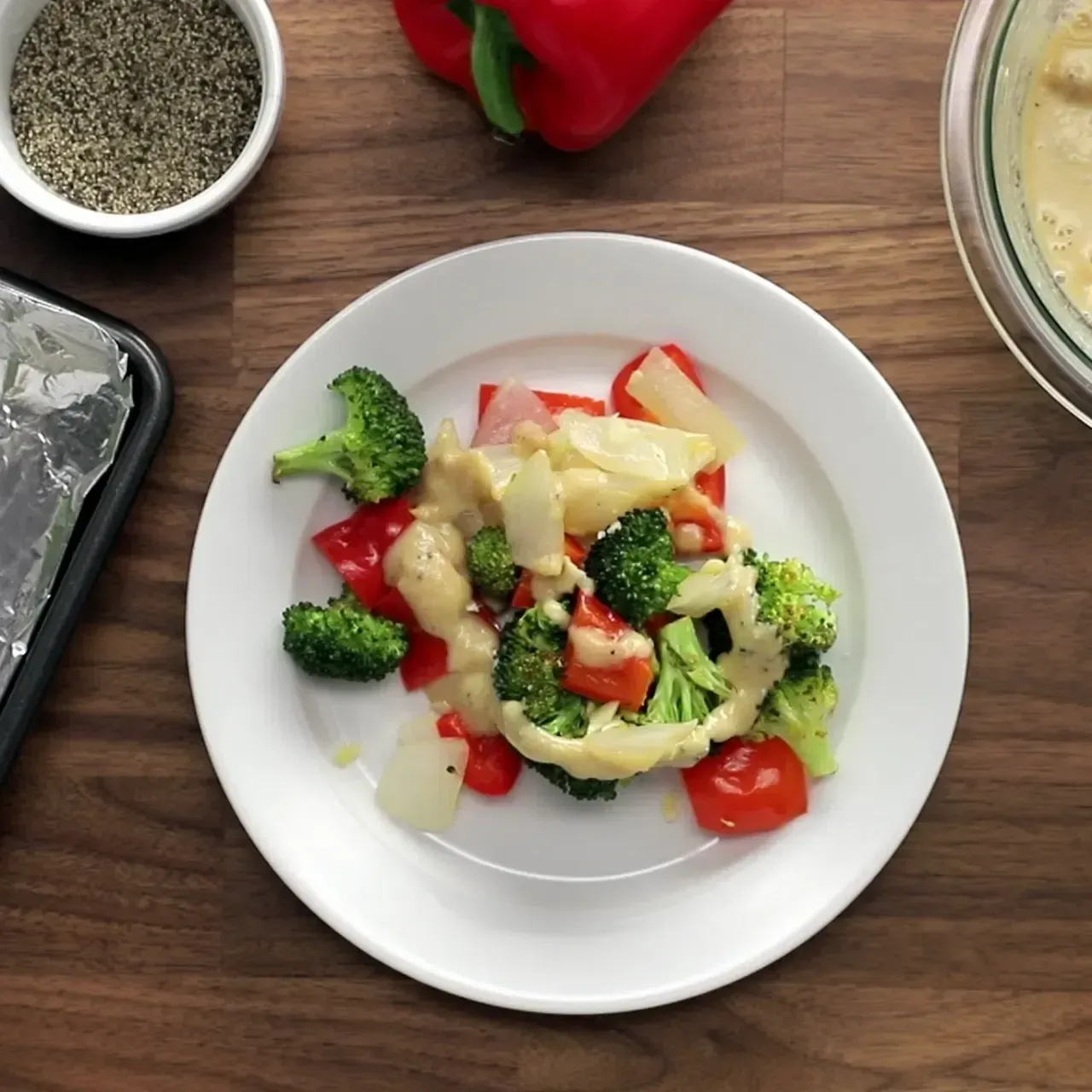
Getting dinner on the table for a family often leaves little room for careful planning, let alone counting anything. A simple visual framework — thinking of the plate in sections rather than in numbers — can make it much easier to put together meals that feel complete, without extra math or special ingredients.
The Basic Plate Framework
A helpful starting point is to picture the plate in three loose sections: roughly half filled with vegetables or fruit, a quarter with a protein source, and a quarter with a grain or starch. This isn't a strict rule to measure out — it's a mental shortcut for noticing whether a meal is protein-heavy but vegetable-light, or the reverse, so you can round it out with a quick side.
Why Sections, Not Rules
Framing meals this way keeps things flexible. A taco night can hit all three sections with seasoned beans or meat, a pile of shredded lettuce and tomato, and a corn tortilla. A pasta dinner works the same way with a simple side salad and some vegetables mixed into the sauce.
Making It Work for Picky Eaters
Family meals rarely please everyone with a single dish, and that's normal. A "components" approach — where the protein, grain, and vegetables are cooked separately and combined at the table — lets each person build their own plate. Think build-your-own taco bars, grain bowls, or a simple pasta station with sauce and toppings served on the side.
- Serve sauces and dressings on the side so kids can control how much goes on their plate.
- Keep one component simple and familiar (plain rice, buttered noodles) while introducing new foods alongside it.
- Repetition helps — the same "new" vegetable served a few times becomes familiar over time.
Batch-Friendly Balanced Meals
Since balanced plates rely on having a protein, a grain, and vegetables on hand, cooking slightly larger batches of each on a night you have time pays off later. Leftover roasted chicken, rice, and roasted vegetables can be reassembled into a completely different-feeling meal — a stir-fry, a grain bowl, or a quick soup — later in the week.
Keeping Perspective
Not every single meal needs to perfectly fit this framework, and that's fine — a pizza night or a simple sandwich dinner doesn't need to be overanalyzed. The plate framework is most useful as a general habit across the week, not a strict requirement for every plate that goes on the table.
Practical Closing Tips
- Picture the plate in three loose sections: vegetables, protein, and a grain or starch.
- Serve components separately for family members with different tastes.
- Batch-cook a protein, grain, and vegetable earlier in the week to speed up busy nights.
- Aim for balance across the week rather than perfection at every single dinner.