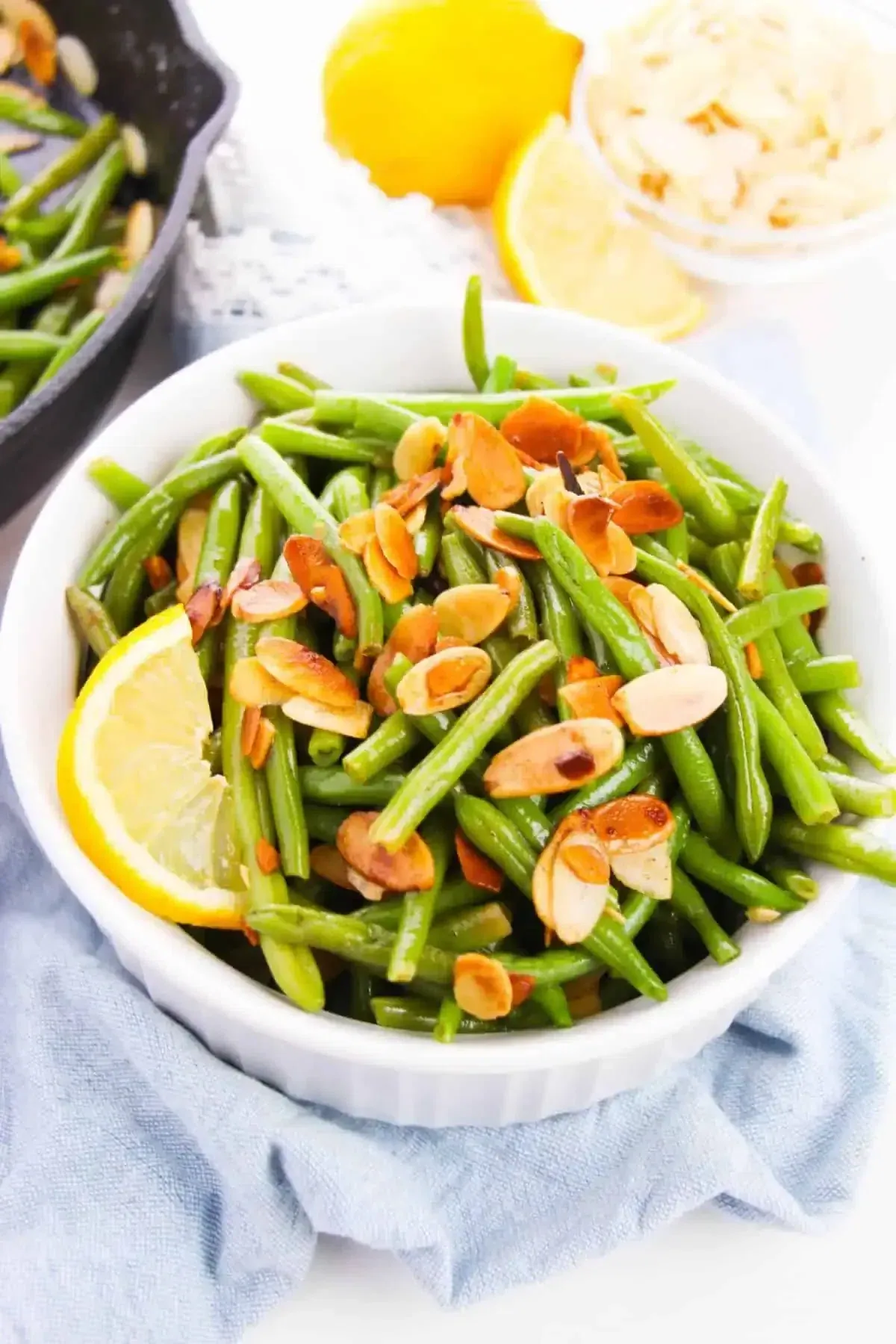
Blanching is one of those techniques that looks like an extra, unnecessary step until you see the difference it makes: vibrant green beans instead of dull olive ones, crisp-tender broccoli instead of mushy florets, and vegetables that hold their texture even after freezing. The process is simple—a quick dip in boiling water followed immediately by an ice bath—but timing and technique matter more than most people realize.
Why Blanching Works
Blanching briefly cooks vegetables in boiling water, just long enough to deactivate the enzymes that cause them to lose color, flavor, and nutrients over time. It also softens the surface slightly, which is useful for vegetables you plan to freeze, sauté quickly, or serve in a salad while still having some bite. The bright green you see in perfectly blanched asparagus or peas comes from heat causing trapped air to escape the plant's cell structure, intensifying the chlorophyll's visible color.
Set Up Two Stations
Before you start, get two vessels ready: a large pot of well-salted, rapidly boiling water, and a large bowl of ice water sitting right next to it. The salt in the boiling water should taste noticeably salty, almost like seawater—this seasons the vegetable and helps preserve its color. Having the ice bath ready before the vegetables go into the pot is critical, since timing is tight once you start.
Blanch in Batches, Briefly
Add vegetables to the boiling water in small batches so the temperature doesn't drop too much, which would slow cooking and cause them to become waterlogged. Times vary by vegetable and size—thin green beans might need 2 minutes, broccoli florets around 2 to 3, while something like sliced carrots may need slightly longer. Watch for a shift to a brighter, more vivid color and a just-tender bite as your cue.
Shock Immediately
The moment the timing is up, use a slotted spoon or spider strainer to transfer the vegetables directly into the ice bath. This shocking step halts the cooking process instantly, preventing carryover heat from turning your crisp-tender vegetables into a mushy, overcooked mess. Leave them in the ice water until fully cooled—usually the same amount of time they spent in the boiling water—then drain thoroughly and pat dry before storing, freezing, or using them in a recipe.
Common Mistakes to Avoid
- Skipping the ice bath. Without shocking, residual heat keeps cooking the vegetable well past the ideal texture.
- Under-salting the water. Unsalted blanching water leaves vegetables tasting flat no matter what you do afterward.
- Overcrowding the pot. Too many vegetables at once drops the water temperature and leads to uneven cooking.
- Leaving vegetables in the ice bath too long. Extended soaking can leach flavor and nutrients—drain as soon as they're cool.
Blanching and shocking takes only a few extra minutes, but it's the difference between vegetables that taste and look vibrant and ones that taste flat and overcooked. Once the two-station setup becomes habit, you'll reach for this technique constantly—for freezer prep, make-ahead sides, or simply the best possible plate of green beans.