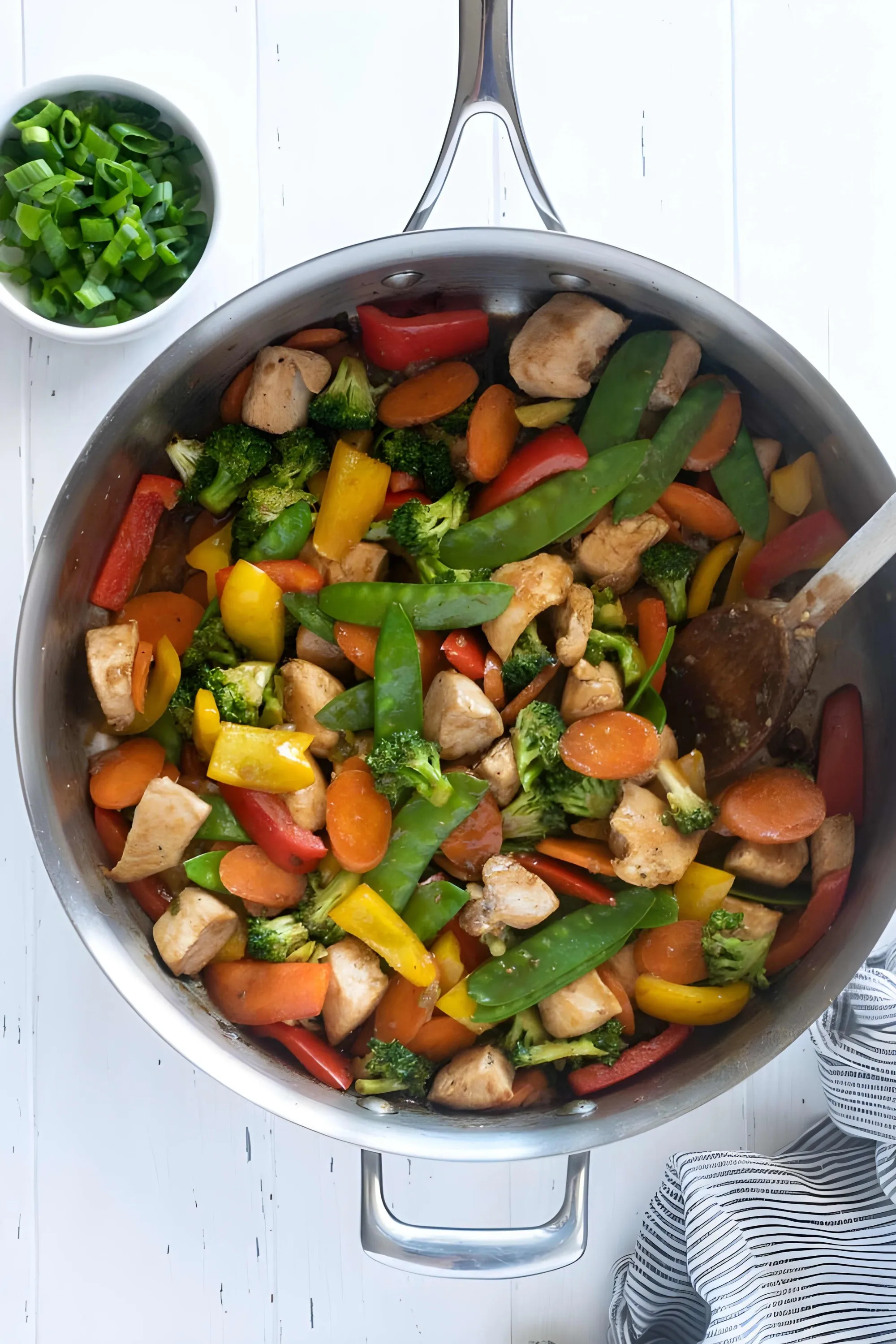
Recipes are a great teacher, but eventually you'll want to open the fridge, look at what's there, and just make something — no scrolling, no shopping list. That instinct is exactly where good home cooking comes from. The trick isn't memorizing dozens of dishes; it's learning one simple formula you can apply to almost anything.
Start With a Formula, Not a Recipe
Most satisfying weeknight dinners follow the same basic shape: a protein, a vegetable, a starch, and something that ties it all together, like a sauce or a bold seasoning. Once you see meals this way, "what should I make?" becomes a much smaller question — you're just filling in four blanks with whatever you already have.
Pick Your Protein
Chicken thighs, ground beef, tofu, canned beans, or eggs all work. Season simply with salt, pepper, and one or two spices, then cook it in a hot pan with a little oil until it's browned and cooked through. This is usually the anchor of the meal, so get it started first.
Add a Vegetable (or Two)
Whatever's about to go bad in your crisper drawer is a great place to start — bell peppers, broccoli, spinach, zucchini. Chop it into similar-sized pieces so it cooks evenly, and either sauté it alongside your protein or roast it separately at a high oven temperature until it's tender and slightly browned at the edges.
Choose Your Starch
Rice, pasta, potatoes, or even good bread all serve the same purpose: something to make the meal filling and satisfying. If you're short on time, a pouch of microwave rice or a box of pasta boiling while you cook everything else keeps the whole meal moving in parallel instead of one long line of steps.
Tie It Together With a Sauce or Seasoning
This is the step people skip, and it's the one that makes a dinner taste "finished" instead of just "assembled." A squeeze of lemon, a spoonful of soy sauce, a drizzle of olive oil with garlic, or a simple pan sauce made from the browned bits left in the skillet can turn separate components into one cohesive dish.
You won't get this exactly right the first time, and that's completely fine — every version teaches you something about timing, seasoning, or what you actually like. Give yourself permission to improvise. That's not a shortcut around real cooking; it's what real cooking actually looks like.