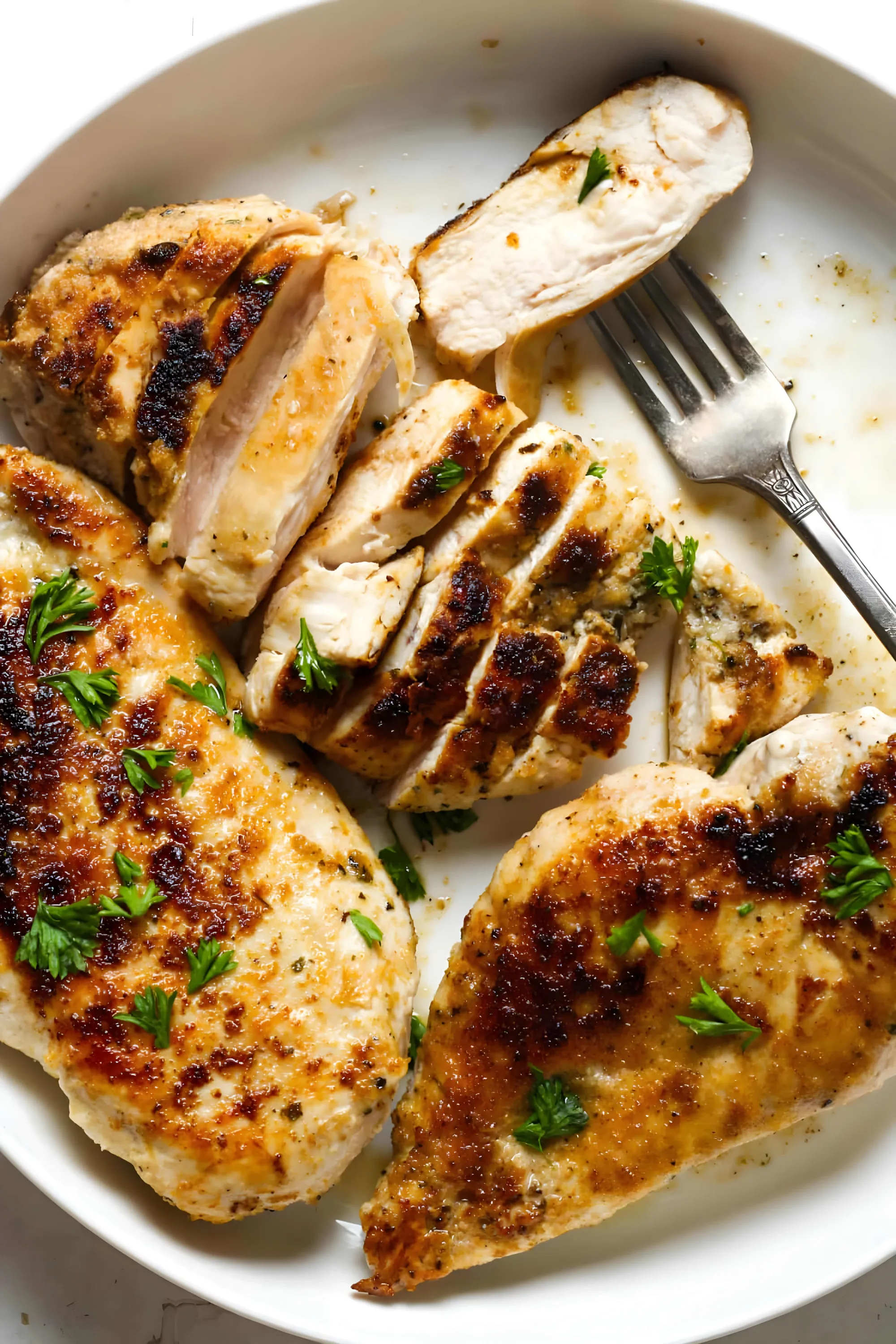
After you sear a steak, chop, or chicken breast, don't wash the pan—there's a sauce hiding in it. Those browned bits stuck to the bottom are called "fond," and they're concentrated flavor built during searing. With a splash of liquid and a few minutes of reducing, that fond becomes the base of a genuinely impressive pan sauce, no special ingredients required.
Understand What Fond Is
Fond forms when proteins and sugars in meat caramelize against a hot pan, leaving behind a sticky brown layer once the meat is removed. It looks like something to scrub off, but it's actually concentrated roasted flavor. The whole technique of a pan sauce is built around dissolving that fond back into a liquid so none of it goes to waste.
Deglaze the Pan
After removing the seared meat and resting it on a plate, pour off excess fat but leave a thin coating in the pan. With the pan still over medium heat, add your liquid—wine, stock, or even water—and scrape the bottom firmly with a wooden spoon to release the fond. This is called deglazing, and it's the step where all that stuck-on flavor dissolves into the sauce base. Wine is popular because its acidity helps lift fond efficiently and adds brightness.
Add Aromatics and Reduce
Once deglazed, add finely minced shallot or garlic if you like, along with any herbs—thyme, rosemary, or a bay leaf work well. Let the liquid simmer and reduce by about half, which concentrates the flavor and thickens the sauce slightly. Reducing too little leaves the sauce watery and thin; reducing too much can make it taste harsh or overly salty, so watch it closely in the final minute.
Mount With Butter
The final step, called "mounting," is where the sauce gets its glossy body. Take the pan off the heat and whisk in a few tablespoons of cold butter, a piece at a time, until each addition melts and emulsifies before adding the next. Cold butter and low heat are essential here—if the sauce is too hot, the butter will simply melt and separate instead of thickening the sauce into a silky consistency. Taste and adjust with salt, pepper, or a squeeze of lemon.
Common Mistakes to Avoid
- Washing the pan before deglazing. You'll lose all the fond that makes the sauce worth making.
- Deglazing over heat that's too low. You need active simmering to lift the fond and reduce the liquid.
- Boiling after adding butter. High heat breaks the emulsion and turns the sauce greasy instead of silky.
- Adding too much liquid at once. Start with less than you think—you can always add more, but a diluted sauce is hard to fix.
A pan sauce takes barely ten minutes and elevates a simple seared protein into something that tastes composed and intentional. Once you've built the habit of deglazing instead of scrubbing, you'll never look at that pan of fond the same way again.