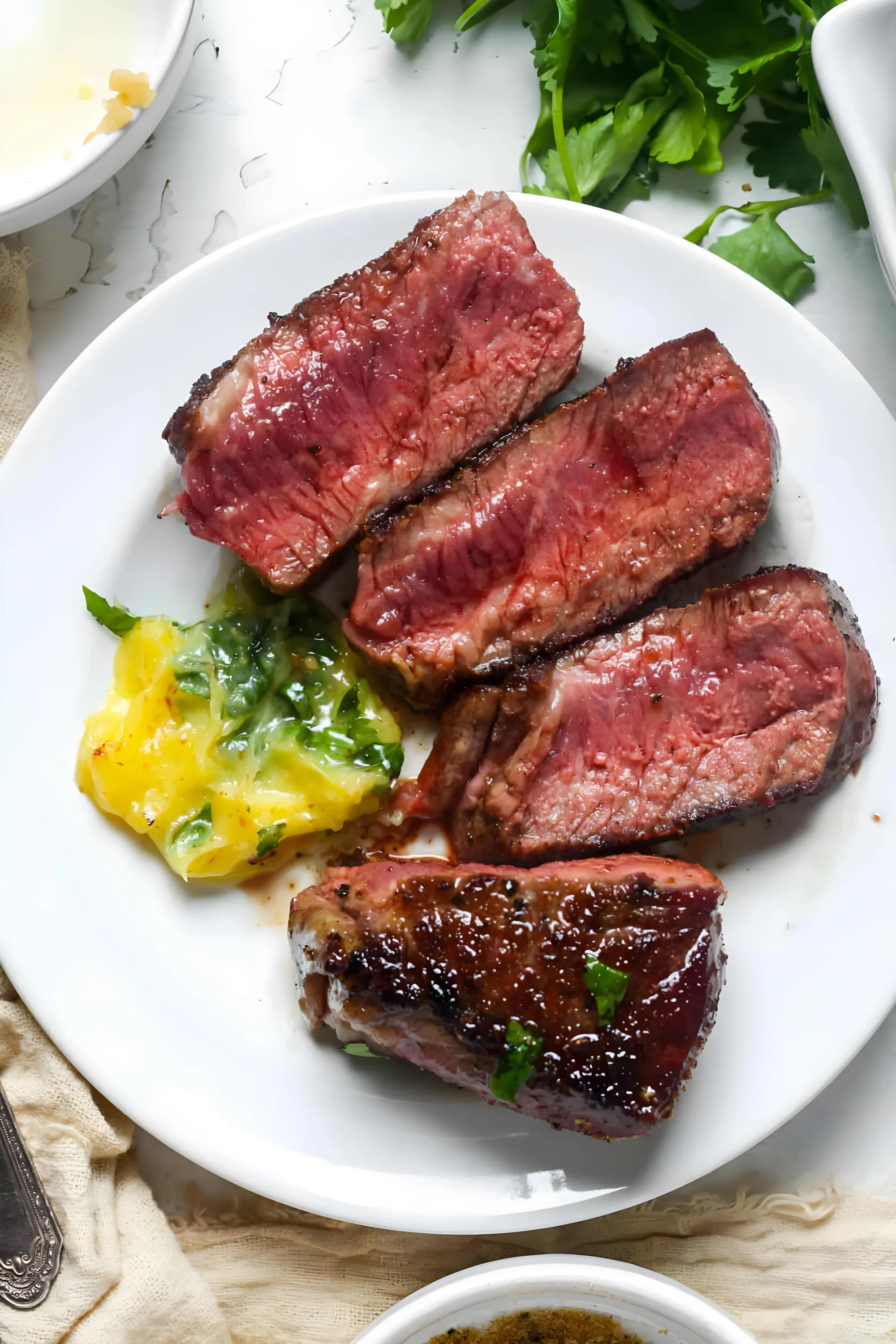
Bite into a seared steak, a crusty loaf of bread, or a plate of roasted vegetables, and you're tasting the result of a chemical reaction discovered over a century ago. It's called the Maillard reaction, and it's arguably the single biggest flavor generator in the kitchen — more influential than any spice blend or marinade.
Who was Maillard, and what did he find?
In 1912, French chemist Louis-Camille Maillard was studying how amino acids and sugars behave when heated together. He noticed that the mixture turned brown and produced a rush of new aromas that weren't present in either ingredient alone. He'd stumbled onto one of the most important reactions in food science, though it would take decades for chemists to fully map out what was actually happening.
What's actually happening at the molecular level
The Maillard reaction is a reaction between amino acids (the building blocks of proteins) and reducing sugars (simple sugars like glucose and fructose). When heat is applied, these molecules collide and rearrange into hundreds of new compounds — some of which are the brown pigments called melanoidins that give seared meat, toasted bread crusts, and dark beer their color, and many of which are volatile aroma molecules responsible for nutty, roasted, meaty, and toasty flavors.
This is different from caramelization, which only involves sugar breaking down under heat with no amino acids involved. The two reactions often happen side by side on a piece of toast or a roasted onion, which is why it's easy to confuse them, but the Maillard reaction is the one responsible for savory, complex flavor rather than pure sweetness.
Why it needs heat — and why it needs a dry surface
The Maillard reaction becomes significant at temperatures above roughly 280–300°F (140–150°C). Since water boils at 212°F (100°C), a wet surface can't get hot enough for browning to happen — all the added heat just evaporates water instead of driving the reaction forward. This is exactly why recipes tell you to pat meat dry before searing, why crowding a pan causes steaming instead of browning, and why deep-frying browns food so efficiently: the oil carries heat well above boiling and the food's surface dries out fast.
Don't waste the fond
Those dark, sticky browned bits left in a pan after searing meat — called fond — are concentrated Maillard flavor compounds. Deglazing the pan with wine, stock, or even water and scraping up the fond is one of the fastest ways to build a flavorful pan sauce, because you're redissolving all that browning back into the dish.
The takeaway
If you want deeper flavor, give food room to breathe in the pan, dry its surface thoroughly, and don't rush the heat. Browning isn't just cosmetic — it's where a huge share of a dish's flavor is actually created.