Your Powerful Kitchen Sidekick
Diabetes Management Guide
Balance your nutrition and support healthy blood glucose with practical, diabetes-friendly recipes and meal planning tips.
Lauren Manaker, MS, RDN, LD, CLEC, CPT
All content here is reviewed by a certified Registered Dietitian & Nutrition Consultant with 20+ years of clinical nutrition experience.

Lauren Manaker, MS, RDN, LD, CLEC, CPT
All content here is reviewed by a certified Registered Dietitian & Nutrition Consultant with 20+ years of clinical nutrition experience.


How Diabetes Works?
Diabetes is a condition that affects how the body processes blood sugar (glucose). Glucose is a primary energy source for the body, and insulin, a hormone produced by the pancreas, helps cells absorb glucose. In diabetes:
When glucose isn't properly absorbed, it leads to elevated blood sugar levels, which can cause various health complications over time. Proper management involves monitoring blood sugar, maintaining a healthy diet, and engaging in regular physical activity.
Understanding Glycemic Index (GI) and Glycemic Load (GL)
Quinoa
GI 53 · Low GI · GL 13 (1 cup cooked)
Quinoa — Low GI (53). A protein-rich whole grain — a smart swap for white rice or pasta.
Diabetes-Friendly Recipes
No Results Found
Try removing some filters or adjusting your search!
Exercise and Lifestyle Tips
Stay Active
Engage in regular physical activity like walking, cycling, or yoga to enhance insulin sensitivity.
Monitor Blood Sugar
Track your levels before and after meals to identify patterns.
Stress Management
Practice mindfulness or relaxation techniques to reduce stress, which can impact blood sugar.
Sleep Well
Prioritize 7-9 hours of quality sleep per night, as poor sleep can affect blood sugar control.
Stay Consistent
Build a routine for exercise, meals, and relaxation to maintain stable blood sugar levels.
Limit Alcohol
Consume alcohol in moderation and pair it with food to avoid blood sugar swings.
Meal Planning Tips
Plan Ahead
Prepare meals and snacks in advance to avoid unhealthy food choices.
Read Labels
Check for added sugars and carbohydrates on packaged foods.
Consistent Timing
Eating meals at regular intervals helps manage blood sugar levels.
Incorporate Variety
Rotate recipes to include different nutrients and prevent mealtime boredom.
Portion Control
Monitor portions to manage carb intake and prevent overeating, which can lead to blood sugar spikes.
Hydrate Wisely
Choose water or unsweetened drinks to hydrate and avoid sugary drinks that can quickly raise blood sugar levels.
of Type 2 diabetes cases are considered preventable or delayable
Balanced meals, regular movement, and steady blood-sugar habits make a real difference in lowering your risk.
Foods to Limit
Recommended Ingredients
To thrive on a diabetes management diet, focus on getting the right nutrients from a variety of sources.

Broccoli
GI: 10
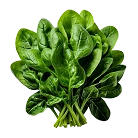
Spinach
GI: 15
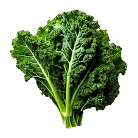
Kale
GI: 15

Peppers
GI: 20

Cucumbers
GI: 15
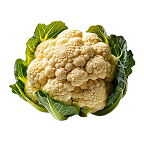
Cauliflower
GI: 15

Zucchini
GI: 15

Asparagus
GI: 15
Understanding Diabetes-Friendly Eating

Carbohydrate Awareness
Carbohydrates have the most significant impact on blood sugar. Focus on complex carbohydrates like whole grains, legumes, and vegetables, which are digested slowly and have a lower glycemic index (GI).
Balanced Meals
Pair carbohydrates with lean proteins and healthy fats to slow sugar absorption into the bloodstream.
Portion Control
Keep portions moderate to avoid blood sugar spikes. Measuring tools and mindful eating practices can help.
Limit Processed Sugars
Avoid sugary drinks, candies, and baked goods made with refined sugars. Opt for natural non-nutritive sweeteners like stevia or small portions of fresh fruit.
Stay Hydrated
Staying hydrated is essential to overall health and helps prevent dehydration, which can affect blood sugar levels. Opt for water, herbal teas, and sugar-free beverages.
Monitoring Insulin and Eating Accordingly
Match Insulin to Carbohydrates
Count the carbohydrates in your meals to determine the appropriate insulin dose. Work with a healthcare provider to establish your insulin-to-carb ratio.
Monitor Blood Sugar Levels
Regular checks before and after meals help you adjust your insulin dose to avoid hypo- or hyperglycemia.
Adjust for Physical Activity
Exercise can lower blood sugar levels, so consider adjusting your meal and insulin plan on active days.
Be Prepared for Low Blood Sugar
Keep glucose tablets, juice, or other fast-acting carbohydrates on hand to treat hypoglycemia.
Plan Meals Around Insulin
For those on fixed insulin schedules, try to eat meals and snacks at consistent times each day to maintain stable blood sugar levels.
Consult Your Doctor
Consult with your doctor to make sure you are accurately monitoring your blood sugar levels and following a healthy diet.
Unlock All Guides for Free
Unlock the Diabetes Management Guide and 11+ other guides by activating Premium. Eat better, plan smarter, and cook with confidence.

Choose a plan
Common Diabetes Management Questions
Check out these answers to common questions and review other information in the
This content is for general informational and educational purposes only and is not intended to diagnose, treat, cure, or prevent diabetes or any other medical condition. It is not medical advice and should not replace guidance from your doctor, registered dietitian, certified diabetes care and education specialist, or other qualified healthcare professional. If you have diabetes, take insulin or other blood sugar-lowering medications, are pregnant, or have any other health condition, consult your healthcare provider before making changes to your diet, meal timing, exercise routine, or diabetes management plan. Individual blood sugar responses can vary, and food choices should be personalized to your medical needs.