Your Powerful Kitchen Sidekick
Heart Health Guide
Heart-friendly recipes and everyday dietary tips designed to nourish your heart and support cardiovascular health.
Lauren Manaker, MS, RDN, LD, CLEC, CPT
All content here is reviewed by a certified Registered Dietitian & Nutrition Consultant with 20+ years of clinical nutrition experience.

Lauren Manaker, MS, RDN, LD, CLEC, CPT
All content here is reviewed by a certified Registered Dietitian & Nutrition Consultant with 20+ years of clinical nutrition experience.

Why Focus on Heart Health?

Estimate Your Daily Calories
Your details
Save as my nutrition goals
Sync these numbers to your account so every recipe and target is personalized.
Your daily target
Maintenance ≈ 2,001 cal · BMR ≈ 1,455 cal
Estimates only. Always consult a healthcare provider before changing your diet, especially with a heart condition.
Heart-Healthy Recipes
No Results Found
Try removing some filters or adjusting your search!
Tips & Cooking Alternatives
Heart Health-Friendly Cooking Techniques
Grilling (reduces fat content while enhancing flavor), steaming (retains nutrients in vegetables), baking (a healthy alternative to frying for proteins and starches), and sautéing with extra virgin olive oil.
Salt Alternatives
Replace salt with herbs (basil, oregano, and thyme), spices (paprika, cumin, and turmeric), and citrus (lemon and lime juice to enhance flavor).
Stay Hydrated
Drink at least 8 glasses of water daily. Limit sugary beverages and sodas.
Exercise Regularly
Aim for 150 minutes of moderate activity per week. Great activities include walking, cycling, yoga, or swimming.
Monitor Your Health
Keep track of your blood pressure, cholesterol, and weight. Consult with a doctor for personalized advice.
Meal Planning Tips
Weekly Meal Prep
Plan meals that include a balance of vegetables, lean proteins, and whole grains. Batch-cook items like quinoa and grilled chicken to save time.
Portion Control
Use smaller plates to manage portion sizes. Fill half your plate with vegetables, a quarter with lean protein, and a quarter with whole grains.
Grocery Shopping
Stick to the outer aisles of the grocery store where fresh produce, proteins, and dairy are found. Read nutrition labels to avoid added sodium and sugars.
of premature heart disease is considered preventable
Diet and lifestyle choices play a powerful role — small, consistent changes can meaningfully lower your risk.
Foods to Avoid
Recommended Ingredients
To thrive on a heart-healthy diet, focus on getting the right nutrients from a variety of sources.
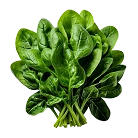
Spinach
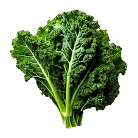
Kale
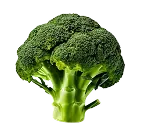
Broccoli
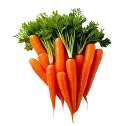
Carrots
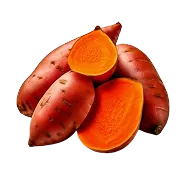
Sweet Potatoes
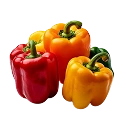
Bell Peppers
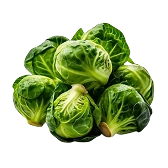
Brussel Sprouts
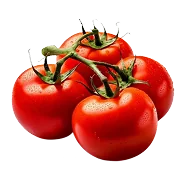
Tomatoes

Key Dietary Principles for Heart Health
Heart-healthy eating centers on colorful produce, whole grains, lean proteins, and healthy fats — while cutting back on added sugar, sodium, and saturated fat.
Unlock All Guides for Free
Unlock the Heart Health Guide and 11+ other guides by activating Premium. Eat better, plan smarter, and cook with confidence.

Choose a plan
Common Heart Healthy Diet Questions
Check out these answers to common questions and review other information in the
This content is for informational purposes only and is not medical advice. Consult your doctor or a qualified healthcare professional before making significant changes to your diet, especially if you have heart disease, high blood pressure, high cholesterol, or take medication. Individual needs may vary.