Your Powerful Kitchen Sidekick
Pescatarian Guide
Plant-based meals with seafood as your main animal protein — no meat or poultry, paired with plenty of vegetables and grains.
Lauren Manaker, MS, RDN, LD, CLEC, CPT
All content here is reviewed by a certified Registered Dietitian & Nutrition Consultant with 20+ years of clinical nutrition experience.

Lauren Manaker, MS, RDN, LD, CLEC, CPT
All content here is reviewed by a certified Registered Dietitian & Nutrition Consultant with 20+ years of clinical nutrition experience.

The Pescatarian Diet

Pescatarian Recipes
No Results Found
Try removing some filters or adjusting your search!
Common Challenges and How to Overcome Them
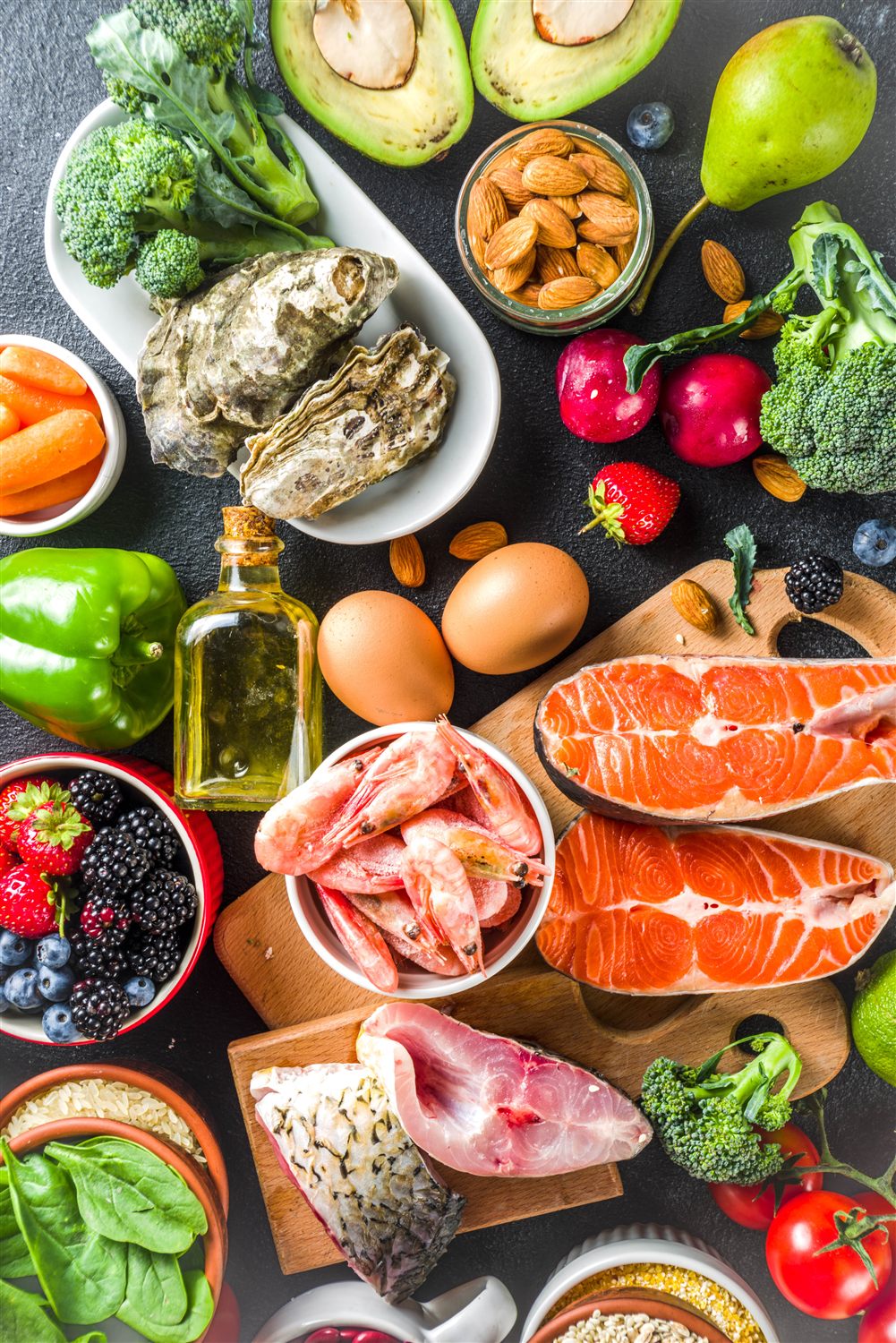
What are the Benefits of Going Pescatarian?
Heart Health
Fish, especially fatty fish like salmon, sardines, and mackerel, are rich in omega-3s, which support cardiovascular health by reducing inflammation and lowering blood pressure.
Rich in Nutrients
A pescatarian diet incorporates fruits, vegetables, whole grains, nuts, and legumes, offering a wide range of vitamins, minerals, and antioxidants.
Weight Management
High-protein seafood combined with fiber-rich plant foods can promote satiety and help with weight control.
Disease Risk Reduction
Studies suggest pescatarian diets may be linked to a reduced risk of type 2 diabetes, certain cancers, and neurodegenerative diseases.
Sustainable Eating
When seafood is sourced responsibly, this diet can be an environmentally friendly alternative to traditional meat-heavy diets.
Mental Health
Omega-3 fatty acids found in fish are known to support brain health, potentially reducing the risk of depression and improving overall cognitive function.
Building a Balanced Pescatarian Plate
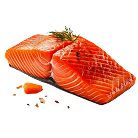
Salmon, Tuna, Mackerel, or other oily fish
These fatty fish are rich in Omega-3 fatty acids, which support heart health and reduce inflammation, while also providing high-quality protein.
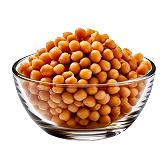
Lentils or Chickpeas
These legumes are sources of plant-based protein, fiber, and essential minerals like iron and magnesium.

Leafy Greens
Kale and Spinach, for example, are a source of many nutrients, including iron and vitamin K. Leafy greens support bone health, oxygen transport, and immune function.
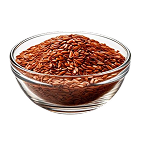
Chia Seeds or Flaxseeds
These tiny seeds are nutrient-dense and provide Omega-3s, fiber, and antioxidants for heart and digestive health.
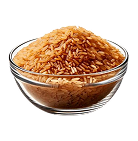
Quinoa or Brown Rice
Whole grains like quinoa and brown rice deliver complex carbohydrates, fiber, and a range of vitamins to sustain energy levels.
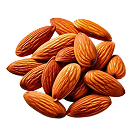
Almonds or Walnuts
Nuts like almonds and walnuts are a source of healthy fats, protein, and vitamin E, promoting brain and heart health.
Tips for Success on the Pescatarian Diet
Choose Sustainable Seafood
Look for certifications like MSC (Marine Stewardship Council) or ASC (Aquaculture Stewardship Council) to ensure seafood is responsibly sourced.
Balance Your Plate
Aim for a mix of lean protein, complex carbs, and healthy fats in every meal.
Plan Your Meals
Preparing meals in advance can help ensure you get a variety of nutrients and avoid reliance on processed foods.
Experiment with Recipes
Try new seafood dishes and explore global cuisines like Mediterranean, Asian, or Latin American for inspiration.
Stay Hydrated
Drink plenty of water throughout the day to support overall health.
How to Transition to Pescatarian Diet
Reduce Meat Gradually
Start by cutting back on meat and poultry one day at a time, swapping in fish, seafood, and plant-based alternatives.
Balance Your Nutrition
Incorporate diverse, nutrient-rich foods like legumes, grains, and vegetables to ensure a healthy diet.
Go Fully Pescatarian
Replace remaining meat and poultry with seafood and plant-based options, refine your habits, and embrace your new lifestyle.
Unlock All Guides for Free
Unlock the Pescatarian Guide and 11+ other guides by activating Premium. Eat better, plan smarter, and cook with confidence.

Choose a plan
Common Pescatarian Questions
Check out these answers to common questions and review other information in the
Disclaimer: This content is for general informational and educational purposes only and is not intended as medical advice. Always consult your doctor or a qualified healthcare professional before making significant changes to your diet, especially if you are pregnant, nursing, have a medical condition, take medications, or have specific nutritional needs. Individual health needs can vary, and a pescatarian diet may not be appropriate for everyone without personalized guidance.