Your Powerful Kitchen Sidekick
Vegetarian Guide
A plant-focused diet without meat, poultry, or seafood — built around fruits, vegetables, grains, nuts, and dairy.
Lauren Manaker, MS, RDN, LD, CLEC, CPT
All content here is reviewed by a certified Registered Dietitian & Nutrition Consultant with 20+ years of clinical nutrition experience.

Lauren Manaker, MS, RDN, LD, CLEC, CPT
All content here is reviewed by a certified Registered Dietitian & Nutrition Consultant with 20+ years of clinical nutrition experience.

Vegetarian Lifestyle

Vegetarian Recipes
No Results Found
Try removing some filters or adjusting your search!
Variants of Vegetarianism
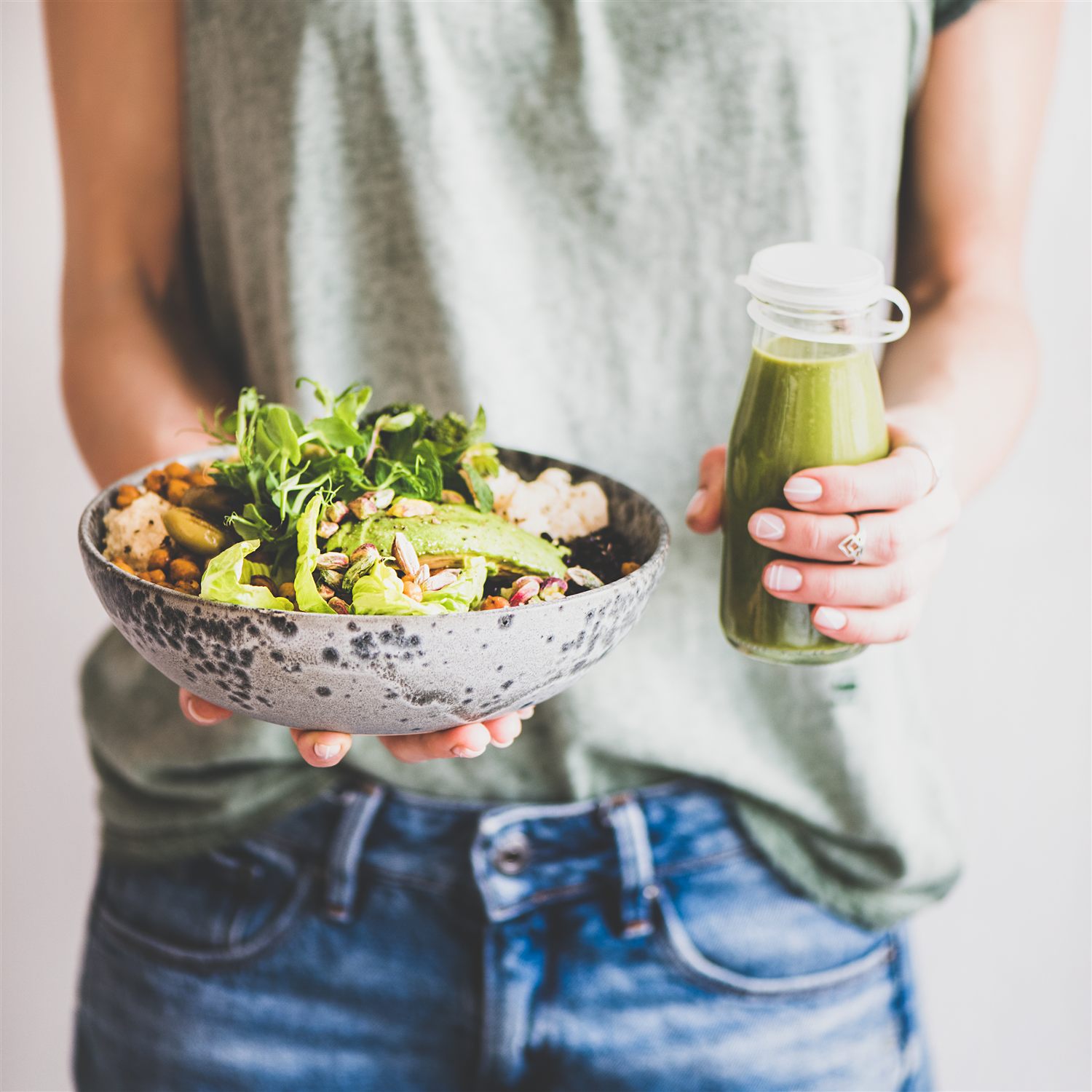
What are the Benefits of Going Vegetarian?
Health
Some data suggests following a vegetarian dietary pattern may be linked to lower cholesterol, reduced risk of heart disease, and better weight management. Vegetarian diets that focus on whole foods are also rich in fiber and essential nutrients, which support overall well-being.
Environmental
Producing plant-based foods can require fewer resources than certain animal-based food products. It also generates less greenhouse gas emissions, helping to combat climate change.
Ethics
Vegetarianism reduces reliance on factory farming and promotes animal welfare. It reflects a commitment to reducing harm to animals and fostering a more compassionate world.
Building a Balanced Vegetarian Plate
Proteins
Lentils, beans, chickpeas, tofu, tempeh, and eggs provide essential amino acids for muscle and tissue health.
Iron
Spinach, fortified cereals, lentils, and pumpkin seeds (pair with vitamin C like citrus for better absorption).

Calcium
Dairy products, fortified plant-based milks, almonds, and leafy greens support strong bones and teeth.
Omega-3s
Chia seeds, flaxseeds, walnuts, and algae-based supplements offer heart-healthy fats.

Fiber
Whole grains, legumes, vegetables, and fruits promote digestion and overall health.

Vitamin B12
Found in fortified foods and supplements, as well as in nutritional yeast, this nutrient supports nerve and blood health.
Your Vegetarian Pantry Essentials
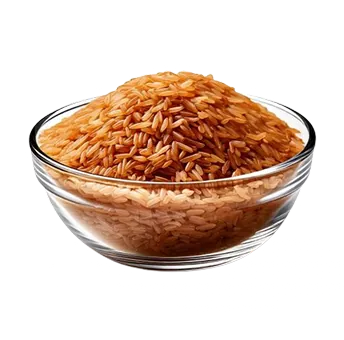
Grains
Quinoa (complete protein), brown rice (hearty whole grain), oats (perfect for breakfast or baking), whole wheat pasta (higher in fiber).
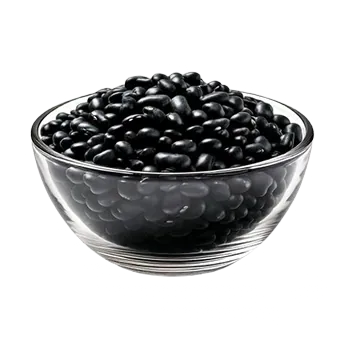
Legumes
Black beans (ideal for tacos and soups), chickpeas (great for hummus or roasting), lentils (versatile for soups and stews), split peas (used in hearty soups).
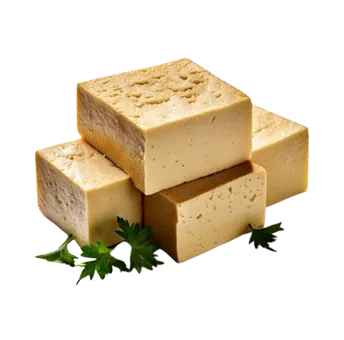
Protein Alternatives
Tofu (absorbs flavors), tempeh (nutty and protein-rich), seitan (wheat-based meat alternative), meat substitutes (plant-based options).
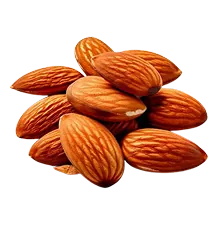
Nuts & Seeds
Almonds (snacks or milk-making), walnuts (omega-3-rich), sunflower seeds (great for salads), chia seeds (perfect for puddings or smoothies).
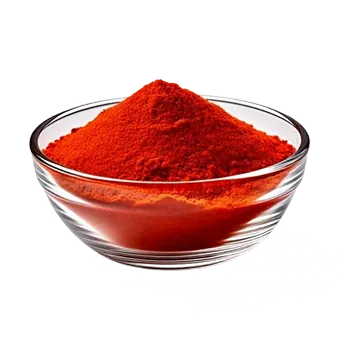
Spices & Sauces
Paprika (sweet or smoky), cumin (adds warmth), soy sauce (salty and umami-rich), tahini (key for hummus or dressings), nutritional yeast (for a cheesy, savory flavor).
How to Transition to Vegetarian Diet
Reduce Meat Gradually
Start by cutting back on meat consumption one day at a time and explore plant-based alternatives.
Balance Your Nutrition
Incorporate diverse, nutrient-rich foods like legumes, grains, and vegetables to ensure a healthy diet.
Transition Fully Vegetarian
Replace all meat with plant-based options, refine your habits, and embrace your new lifestyle.
Unlock All Guides for Free
Unlock the Vegetarian Guide and 11+ other guides by activating Premium. Eat better, plan smarter, and cook with confidence.

Choose a plan
Common Vegetarian Questions
Check out these answers to common questions and review other information in the
Disclaimer: This content is for general informational and educational purposes only and is not intended as medical advice. Always consult your doctor or a qualified healthcare professional before making significant changes to your diet, especially if you are pregnant, nursing, have a medical condition, take medications, or have specific nutritional needs. Individual health needs can vary, and a vegetarian diet may not be appropriate for everyone without personalized guidance.